
Course for Therapists
Taking a Sexual History
Learn how and when to take a sexual history, what questions to ask at each developmental stage, and how to identify wounding that shapes your client's sexual life today.
$39
One-time payment · Instant access · 30-day guarantee
Register Now►
Video
Lesson
Concise, practical video walking through the full clinical framework
✏
Practice
Techniques
Structured, trauma-informed strategies you can bring into session
✓
Self-Paced
Learning
Flexible distance learning — complete on your own schedule
✦
1 CE
Credit
AASECT & NBCC approved continuing education
— why this matters
A sexual history isn't a form — it's a conversation
Most therapists either skip the sexual history entirely or treat it as a checkbox on intake. Neither approach gives you what you actually need: a deep understanding of where your client was wounded, what meaning they made from those experiences, and how it shows up in their sexual life today.
This course teaches a developmental, trauma-informed approach to taking a sexual history that’s conversational, shame-reducing, and clinically rich.
The Framework
Six questions that open everything
01
“How did you find out about sex?”
Start with discovery. Most people remember being 5, 6, or 7. A cousin told them, they saw something, they walked in on their parents. Then ask: how was that for you?
02
“When did you first feel sexual energy?”
A crush, a feeling in the body, an attraction. Move into the next developmental stage and ask what that experience was like for them.
03
“When did you masturbate?”
Ask “when” instead of “did you” to reduce shame. Then explore what that experience was like and what meaning they attached to it.
04
“Did anything funky happen?”
Use words like “yucky” or “off” to expand the definition of sexual abuse beyond the typical narrative. These are the feelings kids have when there are violations.
05
“Did anything funky happen?”
Use words like “yucky” or “off” to expand the definition of sexual abuse beyond the typical narrative. These are the feelings kids have when there are violations.
06
“What do you get out of sex?”
Beyond physical pleasure — connection, feeling alive, validation. This reveals what’s emotionally charged about the sexual realm and where wounds need healing.
What You Will Learn
Skills you'll walk away with
01
When to Take a History
Learn when a sexual history is relevant and necessary — not as a procedural checkbox, but as a clinical tool used at the right moment.
02
Developmental Staging
Walk through each stage of sexual development with your client, from first discovery through relationships.
03
Identifying Wounding
Recognize the moments where clients were wounded and the negative cognitions that were created as a result.
04
Shame-Reducing Questions
Learn specific language techniques that reduce shame and open up honest conversation about sensitive topics.
05
Screening for Abuse
Expand the definition of sexual abuse beyond typical narratives and learn how to ask about it without re-traumatizing.
06
Understanding Sexual Function
Discover what your client gets out of sex emotionally — validation, connection, aliveness — and how that drives behavior.
Your Instructor
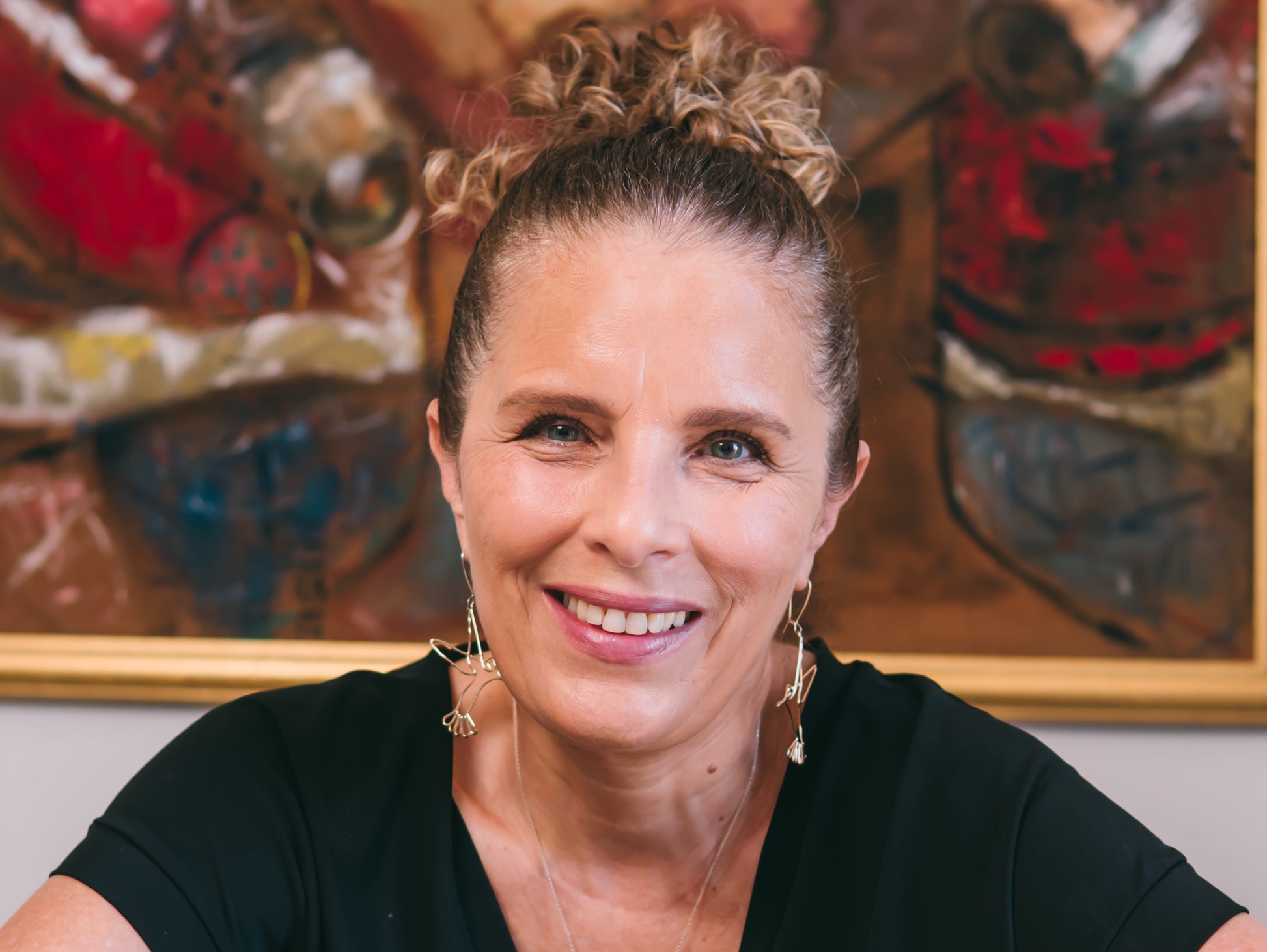
Hi, I'm Dr. Westberg
I'm a licensed Marriage and Family Therapist, AASECT Certified Sex Educator, and Certified Sexologist with over 20 years of experience. I'm a former professor at Lewis and Clark College where I developed and led the Sex Therapy Track.
I created the “Fuck Sex Model” — an innovative framework designed to address desire discrepancies, sexual trauma, and more. This approach has been integral in training hundreds of clinicians to practice effective sex therapy.
What Therapists Say
Reviews from Course Participants
“I genuinely enjoyed your approach and informative videos that really break down the different elements of sex therapy as someone only just getting started in the field of MFT.”
MFT Student
“Everything you said resonated so much! It was validating to hear another professional have similar views and approaches. I took a lot of notes and feel empowered continuing to work with my couples.”
Couples Therapist
“As a presenter, I felt you were very grounded, down to earth, knowledgeable and easy to watch — which says a lot! I really appreciate your humaneness.”
Workshop Attendee
— ready to begin
Start taking better sexual histories today
A trauma-informed, shame-reducing framework you can use in your next session. One-time payment. Instant access. 30-day guarantee.
One-time payment
$39
Register NowThe complete training in
sex therapy — start to finish24 hours of video content, case studies, and selected readings. The clinical foundation most graduate programs never provide — built for therapists who are ready to treat sexuality with confidence.
— common questions
Frequently asked questions
Who is this course for? +
This course is designed for licensed therapists, counselors, and social workers who work with clients on sexual or relational concerns. It's especially valuable if you've been skipping the sexual history in session or relying on intake forms — and you want a more conversational, trauma-informed approach.
Do I need prior sex therapy training to take this course? +
No. This course is accessible to any licensed clinician, regardless of specialty. It's a practical, standalone framework — you don't need a background in sex therapy to use it. If you do have sex therapy training, it will deepen your existing practice.
How long is the course and how is it delivered? +
The course is delivered as a concise video lesson, supported by practice exercises and selected readings. It's designed to be completed in one sitting and applied immediately in your next session. You get instant access upon registration.
What CE approvals does this course carry? +
This course is approved for 1 CE credit by both AASECT (American Association of Sexuality Educators, Counselors and Therapists) and NBCC (National Board for Certified Counselors). Your certificate is available immediately upon completing the course.
What's the difference between this and the Master Sex Therapy Course? +
The Master Sex Therapy Course is a comprehensive 12 CE program covering the full landscape of sex therapy. This course is a focused 1 CE module on one specific clinical skill: taking a sexual history. Think of it as a standalone tool you can use right away, or as a complement to deeper training.
Is there a refund policy? +
Yes. This course comes with a 30-day satisfaction guarantee. If you complete the course and don't find it clinically useful, reach out and we'll make it right.