— become a sex therapist
What is a sexologist — and how do you become one?
Sexology is a broad field that spans clinical practice, education, and research. Here is what the role actually involves, how it differs from sex therapy and sex coaching, and what it takes to enter the field.
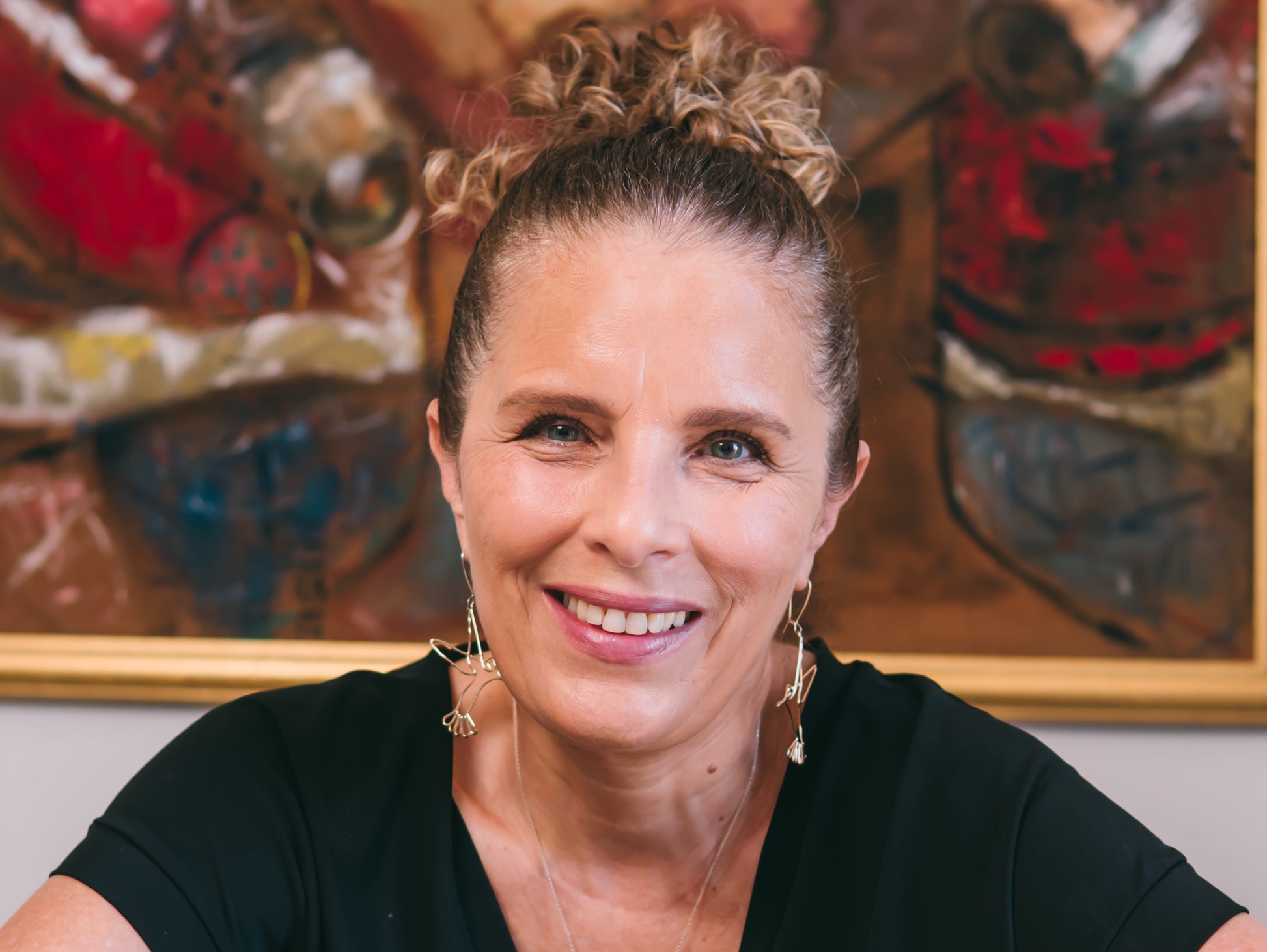
Marisol G. Westberg, Ph.D., LMFT
Sex therapist & educator
— the definition
What is a sexologist?
A sexologist is an expert who studies and trains in human sexuality — both on individual and relational levels. Clinical sexologists may work directly with individuals or couples to address sexual concerns and dysfunctions. Others dedicate their careers to education or research.
Sexology includes the study of psychology, biology, sociology, and medicine — offering a broad scope for professionals interested in the complexities of human sexuality.
What is a clinical sexologist?
A clinical sexologist is a professional who specializes in sex counseling — helping individuals and couples understand, accept, and meet their sexual goals. Unlike researchers or educators, clinical sexologists work directly with clients in a therapeutic context.
The Work
What do clinical sexologists do?
Assess sexual concerns
Conduct clinical assessments of sexual function, dysfunction, and relational dynamics to identify underlying factors.
Provide sex counseling
Work with individuals and couples on sexual concerns including low desire, performance issues, and intimacy difficulties.
Address sexual trauma
Support clients in processing the impact of sexual trauma on their sexuality, relationships, and sense of self.
Educate on sexuality
Provide psychoeducation on desire, arousal, anatomy, and sexual health — correcting misinformation and reducing shame.
Work with diverse identities
Support clients across the full spectrum of gender identities, sexual orientations, and relationship structures.
Collaborate with other providers
Coordinate with physicians, pelvic floor therapists, and mental health professionals to address the full picture of sexual health.
— getting started
How to become a sexologist
There are no regulations governing who can call themselves a sexologist. You do not need to be licensed. However, if you are going to be helping people with their sexual issues, you should seek proper sex therapy training.
Understanding the Differences
Sexologist vs. sex therapist vs. sex coach
Sex therapist
- Licensed psychotherapist
- Heavily regulated by state licensure boards
- Certified sex therapists regulated by AASECT
- Must hold a master’s degree or higher in a psychotherapy field
- Can diagnose and treat sexual dysfunctions clinically
Sexologist
- Does not require a license to practice
- Not regulated by state licensure boards
- Certified sexologists regulated by ACS or ABS
- Certified professionals typically hold a master’s degree
- May work clinically, in education, or research
Sex coach
- Does not require a license
- Not regulated by state licensure boards
- Can be certified by WASC
- May or may not hold a master’s degree
- Focused on goal-setting and education rather than clinical treatment
The Financial Reality
How much do sexologists make?
You will make significantly more in private practice. Most therapists can see around 20 clients per week — the work is demanding and you need to account for business expenses and taxes that employed therapists do not carry.
Private Practice
$80 — $350
per hour, depending on location and experience
Employed
$45k — $60k
per year working for an organization
The complete training in
sex therapy — start to finish24 hours of video content, case studies, and selected readings. The clinical foundation most graduate programs never provide — built for therapists who are ready to treat sexuality with confidence.