— become a sex therapist
How to become a sex therapist — a comprehensive guide
What you actually need, what you can skip, and what the certification industry does not want you to know about the real cost of entering this field.
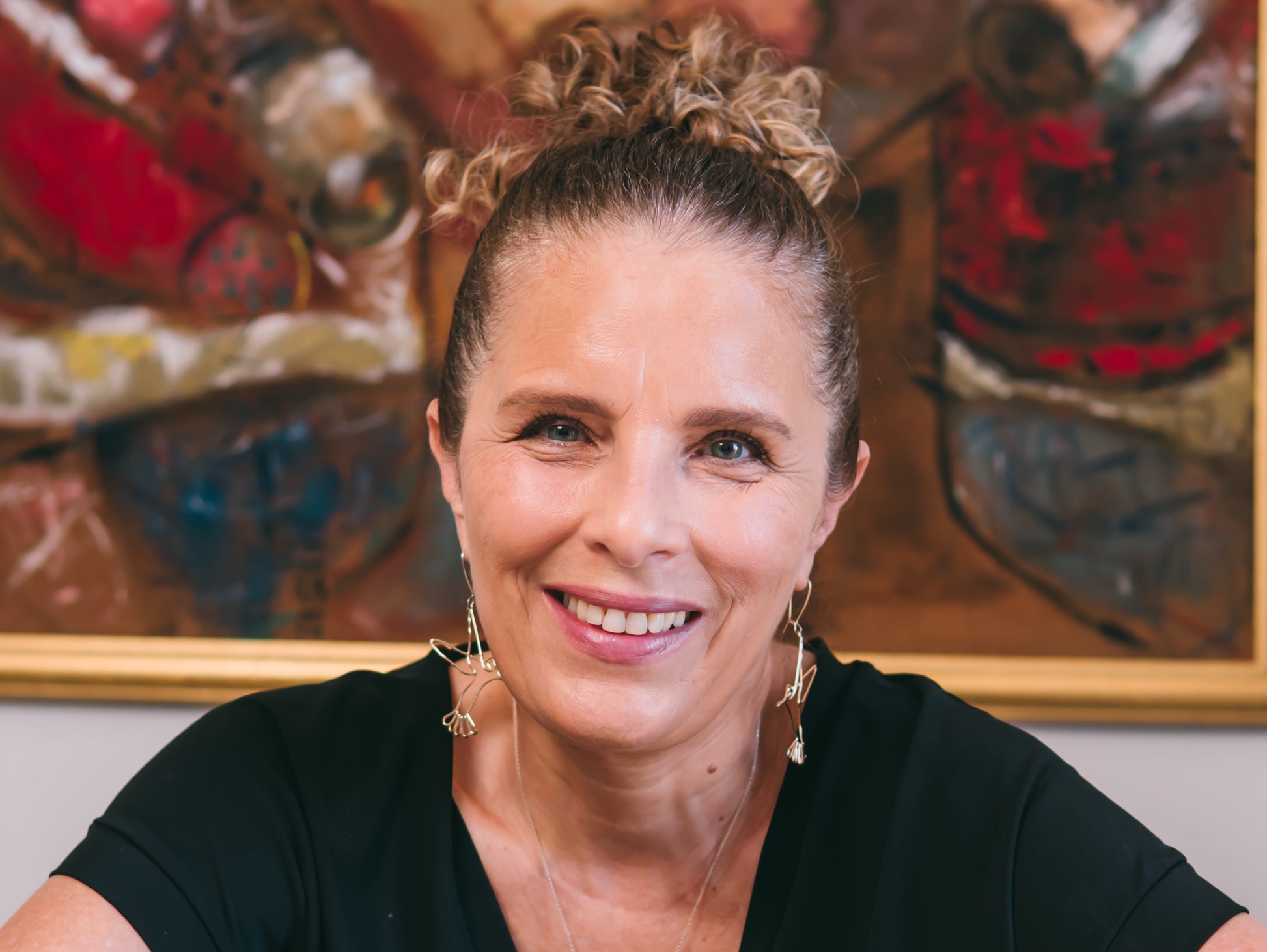
Marisol G. Westberg, Ph.D., LMFT
Sex therapist & educator
The Honest Answer
Do you need a sex therapy certification?
The average cost of a sexology or sex therapy certification is around $12,000 — with the exception of the American Board of Sexology. Organizations and individuals are making a great deal of money from something that is not required in order to practice sex therapy.
You can practice sex therapy without a certification.
What you do need is a license in a mental health field, and the ability to demonstrate competency in the area you claim expertise. If you say you specialize in sex therapy, you should be able to show how you became competent in that area.
Cost Comparison
What certifications actually cost
Not all certification paths are equal. Here’s what you’re looking at across the main organizations.
AASECT
~$12,000+
License + 150 hrs training + supervision
SSTAR
~$8,000–$12,000
License + extensive training hours
ABS
Best value$169
License + basic training background
NBCC
Varies
CE credits only — no credential issued
The ABS certification gives you a legitimate credential at a fraction of the cost. For most solo practitioners, it’s the most strategic entry point while you build experience.
Reasons to Certify
Why get certified at all?
Obtaining a license is essential for providing therapy, and specialized knowledge is crucial for practicing sex therapy effectively. Mastering couples therapy techniques and understanding the sexual dynamics of both couples and individuals are key. Being equipped to address trauma, anxiety, loss of desire, disconnection, conflict, and communication challenges is what makes a competent sex therapist.
For those looking for a more accessible entry point, obtaining a sexologist certificate from ABS for $169 offers a less rigorous but legitimate credential — the most cost-effective way to formalize your qualification.
01
Credibility with clients
A credential signals specialized training to prospective clients searching for a qualified sex therapist.
02
Insurance and billing
Some insurance panels and group practices require documented specialty training before allowing sex therapy billing codes.
03
Structured learning
Certification programs force you to cover areas you might not seek out on your own — gaps that show up later in session.
04
Professional community
Organizations like AASECT connect you with peers, supervisors, and referral sources you cannot easily build on your own.
05
Increase competency
More competent therapists get better outcomes — and clients who get results stay, refer others, and build your practice.
Reasons to Certify
Why get certified at all?
Obtaining a license is essential for providing therapy, and specialized knowledge is crucial for practicing sex therapy effectively. Mastering couples therapy techniques and understanding the sexual dynamics of both couples and individuals are key. Being equipped to address trauma, anxiety, loss of desire, disconnection, conflict, and communication challenges is what makes a competent sex therapist.
For those looking for a more accessible entry point, obtaining a sexologist certificate from ABS for $169 offers a less rigorous but legitimate credential — the most cost-effective way to formalize your qualification.
01
Credibility with clients
A credential signals specialized training to prospective clients searching for a qualified sex therapist.
02
Insurance and billing
Some insurance panels and group practices require documented specialty training before allowing sex therapy billing codes.
03
Structured learning
Certification programs force you to cover areas you might not seek out on your own — gaps that show up later in session.
04
Professional community
Organizations like AASECT connect you with peers, supervisors, and referral sources you cannot easily build on your own.
05
Increase competency
More competent therapists get better outcomes — and clients who get results stay, refer others, and build your practice.
06
Get listed and found
AASECT and ABS both maintain searchable directories of certified practitioners — putting you in front of clients and referring therapists who are actively looking for a specialist.
Pathways to a Career in Sex Therapy
The recommended path
01
Get a license to practice therapy
A license as an MFT, LPC, or Social Worker is required to practice as a therapist. This is non-negotiable — without it you cannot legally offer therapy services.
02
Learn about sex therapy
Build competency through courses, books, and supervised experience. AASECT lists education providers, but course fees average around $30 per instruction hour. Starting with books and targeted online courses is more cost-effective.
03
Get certified as a sexologist — optional, but recommended
The ABS sexologist certification costs $169 and has less stringent criteria than AASECT — the best value credential for those wanting to formalize their qualification without the $12,000 price tag.
Exploring Education
Where to learn sex therapy
AASECT maintains a directory of sex therapy education providers — but at roughly $30 per instruction hour, formal coursework adds up fast. For those mindful of budget, starting with literature and free resources is a practical entry point.
Start with books
Reading is the most cost-effective way to build a foundation.
Top sex therapy books →YouTube topics to explore
- Trauma and betrayal trauma
- Nonviolent communication
- Imago therapy
- Emotionally focused couples therapy
- Motivational interviewing
- Dialectical behavior therapy
Understanding the Difference
Sexologist vs. sex therapist
Both typically hold a master’s or doctoral degree. A sexologist may have a terminal degree in any discipline but specialize in sexuality. A therapist must have their degree specifically in therapy, counseling, or social work. Transitioning from sex therapist to sexologist is straightforward — the reverse requires additional education in therapy.
Sex therapist
- Requires state license (MFT, LPC, LCSW)
- Degree must be in therapy, counseling, or social work
- Certification regulated by AASECT (optional)
- Can diagnose and treat sexual dysfunction clinically
Sexologist
- No license required
- Degree can be in any discipline
- Certified via ACS or ABS ($169 entry option)
- May work clinically, in education, or research
— a personal note
How I became a sex therapist
I stumbled into becoming a sex therapist somewhat by accident — during a period of uncertainty about my dissertation topic.
My interest was sparked by a conversation with a friend who was unusually happy about not using a condom during a hookup — which contradicted the usual narrative around sexual safety. This made me curious about the deeper meanings people attribute to sexual behavior, leading me to explore that in my dissertation.
Following my dissertation, I was offered a position at Lewis and Clark College to teach a sex therapy class. Despite having no prior clients with sexual issues at that point, I decided to refocus my practice exclusively on sex therapy. To my surprise, it thrived — there was genuine niche demand.
But I faced real challenges due to the lack of practical sex therapy training in my formal education. The literature did not address the emotional and relational dynamics I kept encountering with clients. That gap forced me into self-directed learning — and eventually led me to develop my own model of sex therapy.
I share this not to discourage formal training, but because the path is rarely as linear as the certification bodies suggest — and competency can be built in more than one way.
The complete training in
sex therapy — start to finish24 hours of video content, case studies, and selected readings. The clinical foundation most graduate programs never provide — built for therapists who are ready to treat sexuality with confidence.