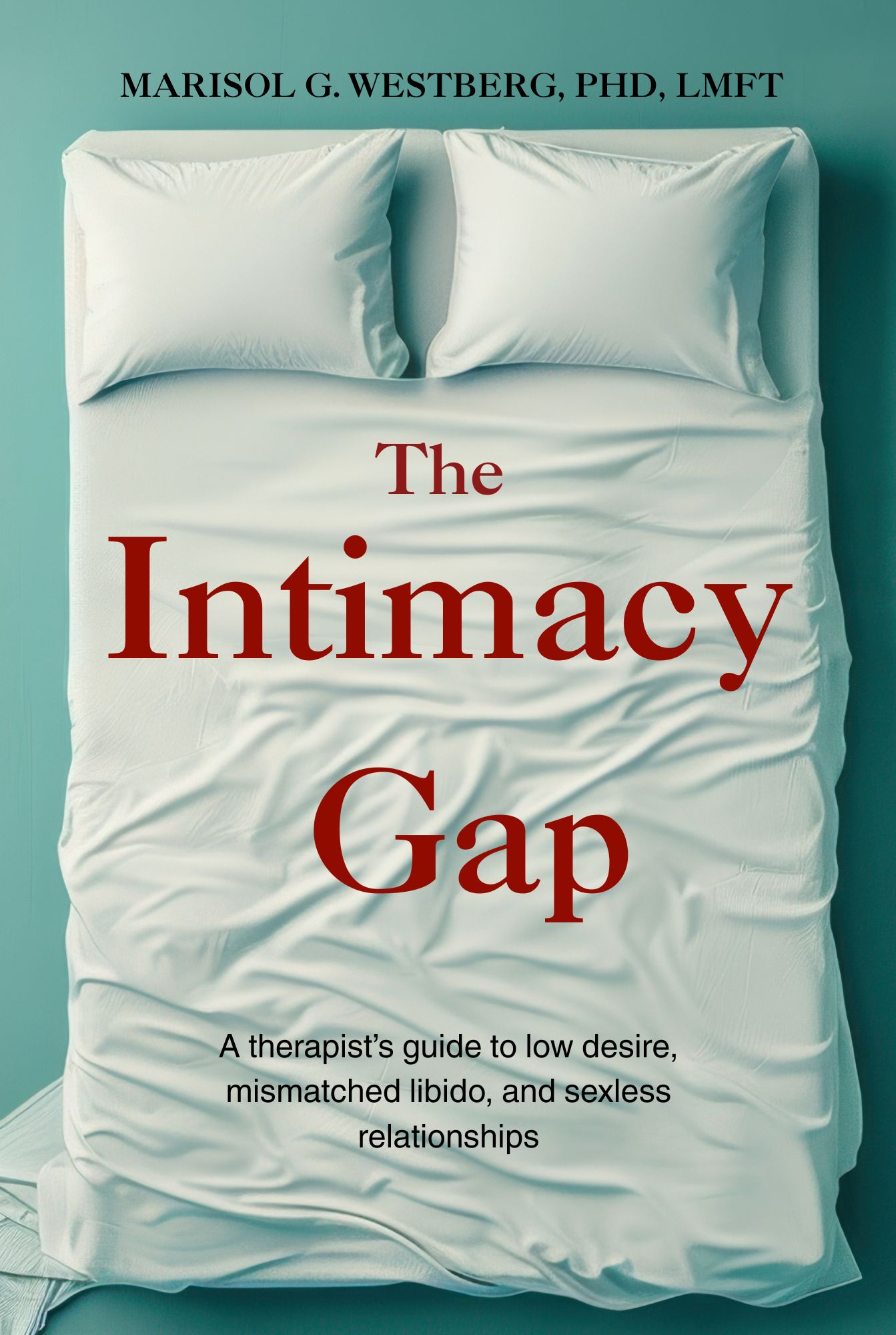
— sexual desire
17 factors contributing to low libido and mismatched desire
Low libido is rarely one thing. This visual reference covers the full range of factors — relational, psychological, biological, and social — that can contribute to reduced or mismatched sexual desire.
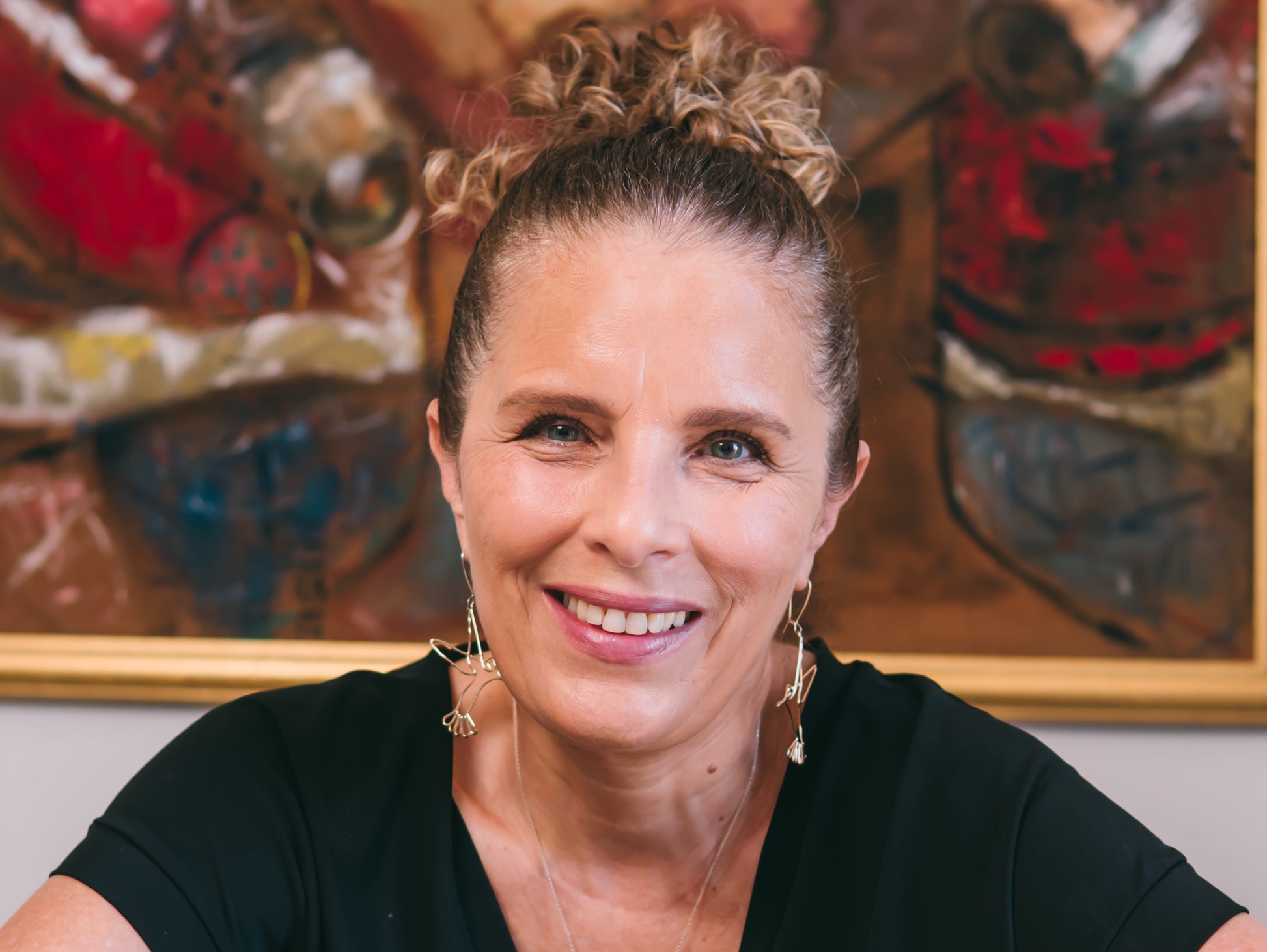
Marisol G. Westberg, Ph.D., LMFT
Sex therapist & educator
01
Pressure
Pressure and coercion in sexual relationships can lead to emotional disconnect and a decline in desire. Removing pressure and addressing underlying issues fosters healthier, more consensual intimacy.
02
Gender
Gender norms influence your sexual experiences and relationships. Embracing inclusivity, autonomy, and consent leads to healthier connections.
03
Emotional Wounding
When we are wounded emotionally — either by the relationship or by our personal history — it affects how we perceive and react to sexual experiences. Unresolved emotional wounds can create barriers to desire, intimacy, and connection that are difficult to see but deeply felt.
04
Power Dynamics
Power dynamics significantly shape sexual desire and autonomy in relationships. Shifts in power influence sexual interest, behavior, and relational balance.
05
Conflictual Relationship
Disconnection, resentment, lack of connection, and constant fighting can all lead to diminished sexual desire.
06
Trauma
Early sexual abuse profoundly affects adult sexual desire and relationships. Healing involves reclaiming sexual autonomy, addressing trauma, and restoring power and agency.
07
Infidelity
Infidelity erodes trust and sexual desire. Understanding its impact on intimacy is the first step toward rebuilding trust and rekindling desire.
08
Differentiation
Differentiation — balancing closeness and autonomy — is key to sustaining sexual desire. Maintaining individuality within relationships fuels ongoing attraction.
09
Performance Anxiety
Performance anxiety in sexual relationships involves reducing pressure, understanding causes, and employing behavioral and cognitive strategies for relief.
10
Body Image
Body image and eating disorders deeply affect sexuality, leading to reduced desire and intimacy. Our relationship to our body directly affects the way we show up sexually.
11
Societal Expectations
Societal expectations around sex create unrealistic standards that lead to distress. Challenging these beliefs fosters healthier, more fulfilling sexual relationships.
12
Shame
Shame can create a self-reinforcing cycle of negative behavior and distress. Breaking this cycle requires awareness, self-compassion, and healthier coping strategies.
13
Depression
Depression significantly impacts sexuality, reducing desire, performance, and satisfaction. Open communication and therapy can help couples navigate these challenges.
14
Pain During Sex
Pain during sex can lead to fear, avoidance, and decreased sexual desire. Addressing the causes with medical and psychological support helps restore intimacy.
15
Addiction
Addiction involves compulsive behavior driven by shame and distress. Heavy pornography use can desensitize the brain, leading to decreased desire and satisfaction in real-life relationships.
16
Lifestyle
Children, to-do lists, housework, lack of sleep, work stress, and financial concerns — tiredness is not sexy for a lot of people.
17
Loss of Attraction
Sometimes it’s just not there — and maybe has never been. A loss of respect is a fast way towards a loss of attraction.
Work with me
Are you experiencing
low libido?
Therapy can help you understand what’s actually driving the disconnection — and how to address it together as a couple.
Book a SessionStruggling with different
desire levels?My step-by-step course addresses desire discrepancy directly from the comfort of your home. Learn practical tools to reconnect and understand each other’s needs — at your own pace, in complete privacy.
Keep reading
Related articles
Clinical Article
How Sexual Trauma Impacts Intimacy and Sexuality
Read the article →
Clinical Article
Resolving Desire Discrepancies in Relationships
Read the article →
Work with Dr. Westberg
Ready to address this in your relationship?
Explore therapy options, online sessions, and the couples course.